What earthmoving contractors need before quoting site works
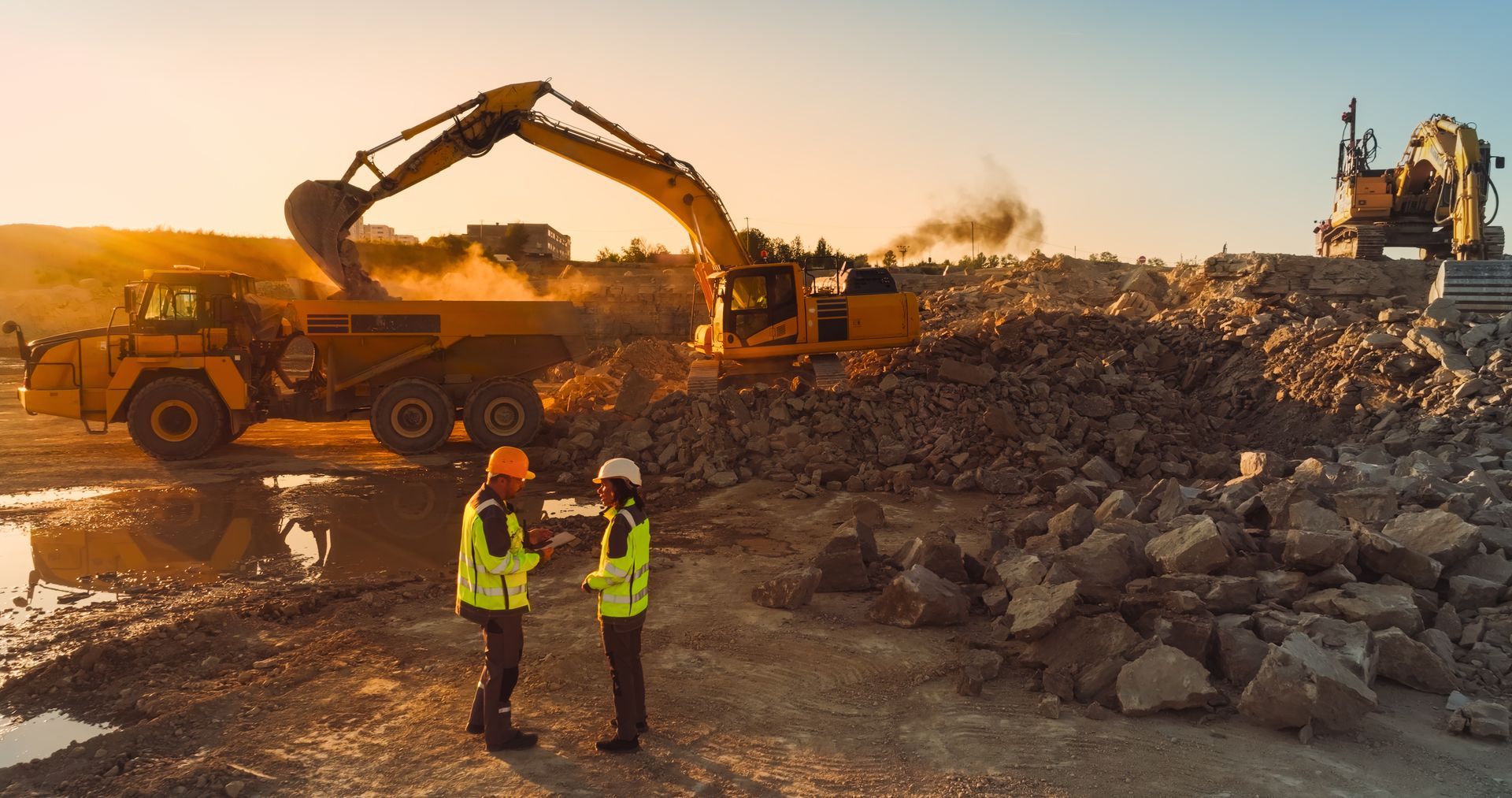
Earthmoving quotes are more useful when the contractor can understand the ground, access, proposed levels and material movements involved. A simple request such as “prepare the site” can cover very different work depending on whether the project needs bulk excavation, detailed trimming, trenching support, loading, backfilling or compaction.
Providing clear information helps the earthmoving contractor assess suitable machinery, likely site time and the interfaces with the wider construction programme. The following site preparation checklist explains what to gather before requesting a quote.
Describe the required outcome
Begin with a plain-English summary of what the site needs to be ready for. This may include a building pad, footings, service trenches, access areas, landscaping levels or general clearing connected with a commercial or residential build.
Separate confirmed activities from items that still need engineering, design or site investigation. If exact depths or finished levels are not yet available, explain what documentation is being prepared and when it is expected. This allows the contractor to identify which parts of the quote may depend on further information.
Review IJ Projects’ earthmoving, site preparation and civil works for suitable projects across Adelaide and selected South Australian locations.
Provide drawings, levels and site information
Share the latest site plan, survey, engineering drawings and relevant construction details. The contractor needs to understand where work will occur and how the proposed excavation relates to boundaries, existing buildings, retaining structures and completed levels.
Clearly identify any documents that are preliminary. A marked-up plan can also be helpful when the formal drawings do not show temporary access, stockpile areas or parts of the property that must be protected.
Explain access and working-space limitations
Access determines which machines can reach the work area and how soil or materials can be moved. Provide the width and height of entry points where known, along with information about gates, driveways, overhead restrictions, neighbouring properties and areas that cannot be crossed.
Photos or a short video of the access route can help the contractor understand the site before an inspection. Include the street approach, entry point, turning areas and the proposed excavation zone. For restricted residential sites, smaller machines may be needed, although the final equipment choice depends on the required work and ground conditions.
Identify known services and existing structures
Tell the contractor about known underground and overhead services, drainage lines, septic systems, tanks, retaining walls, footings and previous site work. Available service plans and site markings should be provided, but they do not replace any verification required before excavation.
Existing structures can affect where machinery operates and how excavation is sequenced. The contractor may need further information where work is close to buildings, boundaries or retained site elements.
Earthworks frequently support broader commercial construction and residential building programmes. Coordinating these interfaces early helps clarify the condition the site must reach before the next trade begins.
Clarify what happens to excavated material
A quote should identify whether excavated material will remain on site, be reused, moved to another area or removed. The volume and type of material handling can affect loading time, truck access, stockpile locations and the machinery required.
Where material will remain, explain where it can be placed and whether it needs to be kept separate for later use. If removal is expected, provide any known information about the material and site conditions so the contractor can identify questions requiring further investigation.
Explain compaction and backfilling requirements
Site preparation may include placing and compacting material after excavation. Provide available specifications, engineering details and information about the areas to be backfilled. Different locations may require different materials, placement methods or finished levels.
If requirements are not yet confirmed, note that engineering or design information is still pending. The contractor can then separate excavation from later backfilling and compaction rather than assuming one undefined scope.
Include programme and site coordination details
Tell the contractor when the site is expected to be available and which activities occur before and after the earthworks. The programme may need to coordinate surveys, service work, structural trades, material deliveries and access for other contractors.
Identify whether the property will be occupied, whether parts of the site must remain accessible and who will coordinate daily site decisions. These details are particularly important where earthmoving forms one part of a larger construction project.
For custom residential work requiring coordinated early works, explore our custom homes, granny flats and major renovations service.
Prepare a clearer earthmoving quote request
A useful quote request includes the required outcome, current drawings, site access, known services, material-handling expectations, compaction requirements and preferred timing. It should also identify unresolved information so the contractor can explain how it may affect the proposed scope.
Explore our earthmoving, site preparation and civil works to see the machinery and services IJ Projects can coordinate for suitable Adelaide projects.
Contact our team with your plans, site photos, access information and required timing to discuss an earthmoving quote.