How site logistics affect high-rise construction projects
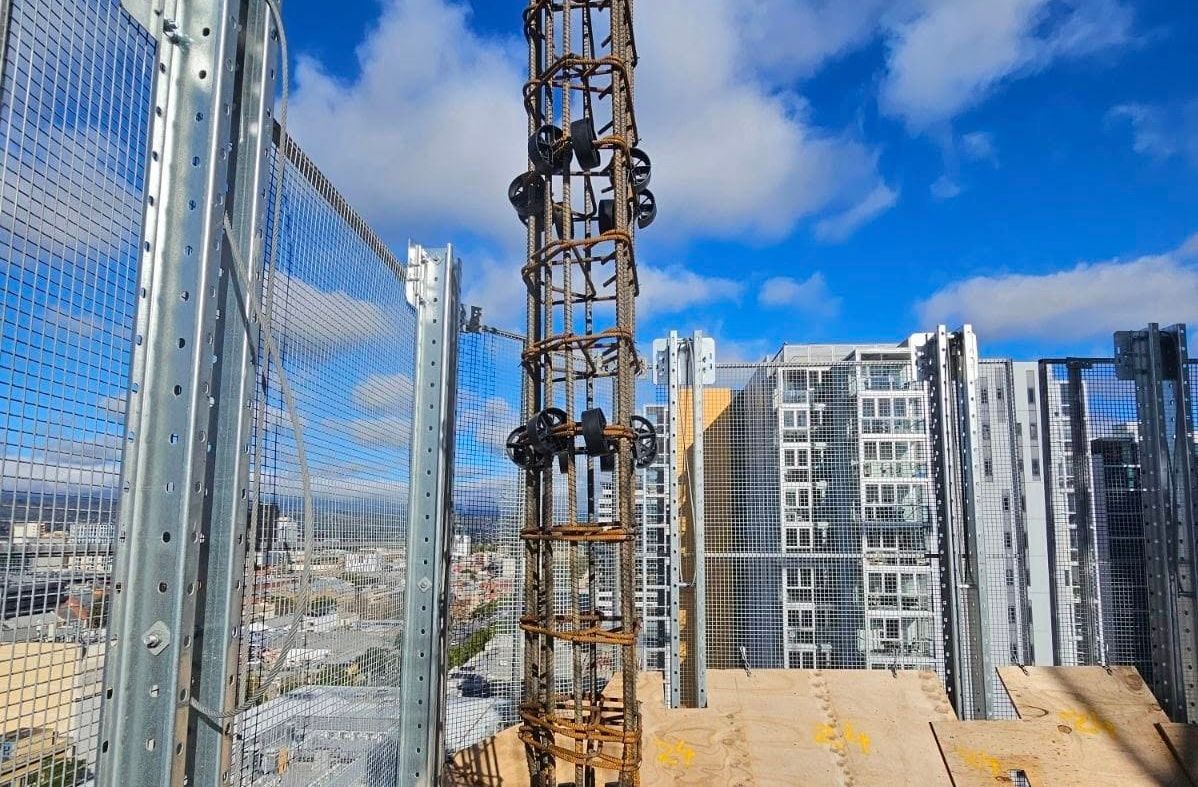
High-rise construction depends on more than the work happening at each level. Materials, workers, plant and information must move through a constrained site in the right sequence. When these movements are not planned early, delays can spread quickly across multiple trades and affect areas well beyond the original issue.
Site logistics planning brings access, deliveries, lifting, storage and trade sequencing into one coordinated approach. The following considerations help developers, project managers and building stakeholders understand why logistics should be discussed from the early planning stages of a multi-storey project.
Review access before construction begins
The first step is understanding how people and vehicles can enter, move through and leave the site. A high-rise project may have limited street frontage, shared access points, neighbouring properties or restrictions on where vehicles can wait. These conditions influence delivery timing, traffic movements and the amount of material that can be brought to site at one time.
Access planning should consider large deliveries as well as everyday trade vehicles. Structural materials, formwork, equipment, waste bins and fit-out products may require different unloading arrangements. Pedestrian routes, emergency access and separation between workers and moving vehicles must also be incorporated into the site layout.
Learn more about IJ Projects’ high-rise construction services in Adelaide and the coordinated head contractor approach used for suitable multi-storey developments.
Plan lifting and vertical movement
Once materials arrive, they still need to reach the correct working area. Lifting requirements can influence crane selection, loading zones, temporary storage and the sequence in which different parts of the structure are completed. The construction team also needs to consider how lifting operations interact with workers, neighbouring properties and other activities on site.
Vertical movement is not limited to major structural components. Smaller materials, tools, waste and finishing products also need reliable routes through the building. Hoists, stairs, temporary access systems and completed floor areas may all form part of the logistics plan as the project progresses.
Match deliveries to available storage
High-rise sites often have limited space for storing materials. Ordering too much too early can block access and create double handling, while late deliveries can leave trades waiting. A practical logistics plan links delivery dates with the construction programme and confirms where each item will be unloaded, stored and installed.
Long-lead products need particular attention because their manufacture and delivery may need to be coordinated months in advance. Shorter-term consumables and trade materials also require planning, especially when multiple subcontractors are working in the same zone.
Commercial projects benefit from clear responsibility across procurement, programming and site operations. Explore our commercial building and head contracting services for more information about coordinated project delivery.
Sequence trades around shared work areas
Several trades may need the same lift, loading area, floor zone or access route. If these interfaces are not planned, one activity can prevent another from starting. The programme should identify where trades overlap and set out a logical sequence for structural work, services, partitions, ceilings, joinery and finishes.
Trade sequencing is particularly important as the building moves from structure into internal works. Some levels may be progressing through fit-out while structural or external work continues elsewhere. Clear zone handovers, protection measures and access arrangements help keep these stages moving without unnecessary disruption.
For internal construction and completion works, review IJ Projects’ commercial fit-out, joinery and maintenance capability.
Coordinate early site works with the main programme
Site establishment, excavation, access preparation and compaction can affect the logistics available during later construction. Temporary roads, crane pads, loading areas and service routes need to be considered in relation to both the early earthworks and the completed development.
Where suitable, integrating these activities with the broader construction team can reduce gaps between early works and the main build. IJ Projects maintains an internal machinery fleet for defined site preparation and civil earthworks connected with commercial and residential projects.
Keep logistics visible throughout delivery
A logistics plan should change as the building progresses. Access routes, storage areas, lifting priorities and workforce movements may be different during excavation, structure, enclosure and fit-out. Regular review helps the project team respond to upcoming stages before existing arrangements become a constraint.
Explore our high-rise construction services to understand how IJ Projects coordinates site operations, structural work, trades and completion requirements for suitable Adelaide developments.
Contact our team with your plans, site information and programme requirements to discuss logistics and head contractor support for your proposed project.